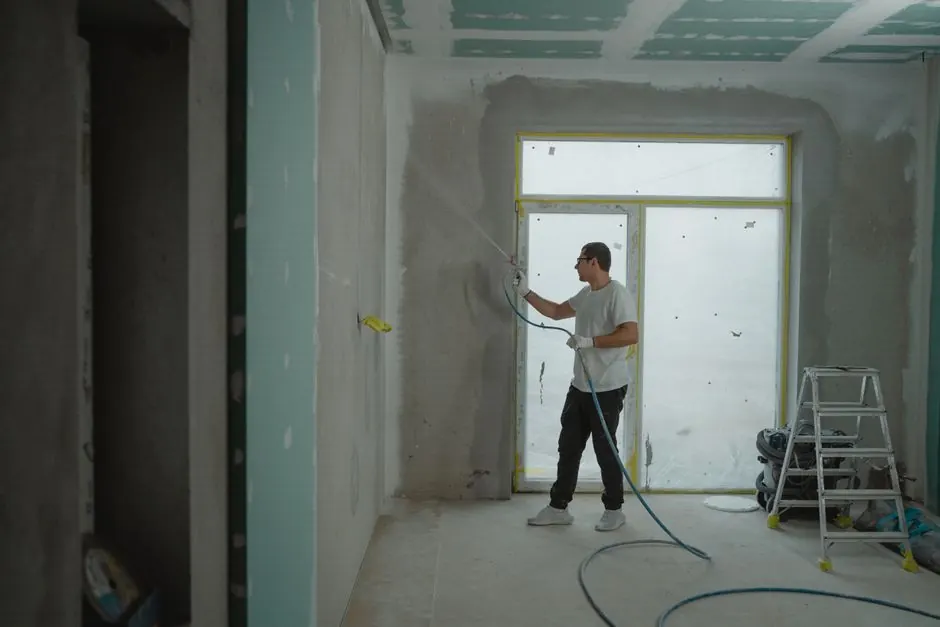
The short answer: Fate's rapid growth means most homes here are newer - which changes the water-damage picture: new-build plumbing connections that fail early, builder-grade materials, settling foundations and grading, and busy young-family households where leaks go unnoticed longer. Before hiring: check your builder warranty status, document everything, demand moisture mapping (not visual quotes), and hire Texas-experienced contractors. For Fate homeowners, call Blacklands Drywall Co. at (972) 472-8864.
What Makes Fate Different for Water Damage
Fate has grown quickly from a small town into a busy city, with new neighborhoods still rising. That growth shapes a distinctive water-damage profile:
New construction dominates. Most Fate homes are relatively young. New doesn't mean immune - it means different risks: plumbing connections made during fast-paced construction that fail in the first years, builder-grade supply lines and fixtures, and materials chosen for cost rather than durability.
Settling is still happening. Newer homes settle - foundations, grading, and drainage patterns shift in the first years. Settling cracks foundation seals, shifts grading away from ideal drainage, and stresses rigid plumbing connections. Water finds the weak points settling creates.
Young families, busy households. Fate skews toward young families - which means bathtubs with kids (overflow risk is real), laundry running constantly, dishwashers working overtime, and less time to notice a slow drip under the sink. Busy households discover leaks later, and later discovery means bigger jobs.
First-time homeowner factor. Many Fate buyers are first-time homeowners - less maintenance experience, less familiarity with shutoff locations, water heater ages, and early warning signs. This article is partly the orientation many wish they'd had before the first leak.
The good news: newer homes have advantages too - modern plumbing layouts, accessible shutoffs, and no decades-old galvanized pipe. The key is understanding your specific risk profile rather than assuming "new" equals "safe."
Tip 1: Check Your Builder Warranty Status First
Before spending a dollar on water-damage repair, determine whether you're covered:
Builder warranties on new construction typically cover workmanship and materials for defined periods - often 1 year for workmanship, with longer coverage for major structural elements. Plumbing connection failures from construction defects may fall under warranty if you're within the period.
What to do: find your warranty documents, check the coverage periods and what's included, and contact the builder (in writing) about defects promptly. Document the defect with photos before any repair - warranty claims need evidence of the original failure.
The honest caveat: warranties cover defects, not maintenance failures or homeowner-caused damage. A failed builder connection is a warranty conversation; a washing machine hose you never replaced isn't. And warranty repair timelines can be slow - for active water damage, mitigate immediately and sort out warranty recovery in parallel, not in sequence. (This is general guidance, not legal advice; your warranty documents control.)
Tip within a tip: even if the warranty has expired, the builder may still help with known defect patterns - it costs nothing to ask, politely and with documentation.
Tip 2: Learn Your New Home's Water Map
Newer homes have logical plumbing layouts - learn yours:
- Main shutoff location - find it today, test that it turns, and show every adult in the house
- Fixture shutoffs - under each sink, behind each toilet, at the washing machine, at the water heater
- Water heater - location, age, type; check the drain pan and its drain line
- Washing machine hoses - rubber or braided steel? (If rubber, replace with braided steel - this is the highest-ROI prevention in any home)
- Ice-maker line - trace it; these thin lines fail disproportionately
- Upstairs wet zones - know exactly what's above each ceiling, because upstairs leaks damage two floors
In a new build, ask the builder for plumbing plans if available - knowing what's inside your walls before there's a problem is an enormous advantage most homeowners never use.
Tip 3: Don't Trust "New" - Inspect Like It's Old
The most dangerous assumption in a newer home: "it's new, so it's fine." New-build water damage patterns include:
Early connection failures. The most stressful connections - those made under construction time pressure - fail first, often in years 1-5. Supply line connections, toilet seals, and dishwasher hookups top the list.
Builder-grade fixtures. Cost-optimized faucets, supply lines, and valves have shorter lifespans than their premium equivalents. They work fine until they don't, and "don't" often arrives earlier than expected.
Settling-related issues. As the home settles, watch for: new cracks near plumbing penetrations, grading changes that direct water toward the foundation, and gutter/downspout shifts. Walk your home's exterior twice a year looking for these.
Caulk and sealant gaps. Builder caulking around tubs, showers, and sinks shrinks and gaps within a few years. Re-caulk proactively - failed tub caulk is a top source of slow wall-cavity leaks that go unnoticed for months.
Inspect your newer home with the skepticism you'd give a 30-year-old house. The issues are different, but they're real.
Tip 4: Busy Household? Build Leak Detection Into Routines
Young-family households don't have time for monthly plumbing inspections - so make detection automatic and habitual:
Water alarms. Inexpensive sensors under every sink, behind the washing machine, near the water heater, and under the dishwasher. They scream when wet. This is the single best investment for busy households - early detection while you're at work or asleep.
The two-minute monthly scan. While waiting for coffee: glance under sinks, check around the water heater, look at ceilings below upstairs bathrooms. Two minutes, once a month, catches most slow leaks before they become jobs.
Teach the kids. Age-appropriately: overflowing the tub is a house emergency, not a joke. Running water never gets left unattended. If they see water where it shouldn't be, they tell an adult immediately. Kids cause a surprising share of residential water events - and they're also capable early-warning systems when taught.
Know the "we're away" protocol. Traveling? Shut the main water off. Every time. A leak in an empty house runs for days - the difference between a small fix and a very large job is often just whether anyone was home.
Tip 5: Document Everything From Day One
Fate's newer homes mean two documentation audiences: your insurer and potentially your builder (warranty). Both need the same evidence:
- Photos and video of damage as found - before cleanup or repair
- The source and the water's path
- A written timeline: discovery, actions, calls
- Receipts for all emergency expenses
- Builder correspondence in writing (email, not just phone calls)
New-build warranty claims especially depend on proving the defect existed and you reported it promptly. "I called about the damp spot in March" needs a paper trail - an email timestamp beats a memory every time.
Our insurance claims guide covers the claims process in full.
Tip 6: Demand Moisture Mapping, Not Visual Quotes
This tip applies everywhere, but it's especially important in newer homes where damage hides well: fresh paint, tight construction, and good insulation can mask moisture that meters reveal instantly.
When getting estimates, require professional moisture mapping - pin and pinless meter readings defining the true wet boundary, marked on the wall. A contractor who quotes from a visual glance is guessing, and in a newer home with hidden cavities, guesses miss by feet, not inches.
Also ask: "How will you verify dryness before rebuilding?" The answer should involve meter readings against established dry standards - not "we'll give it a few days." Our drying guide explains the standard.
Tip 7: Understand the Full Repair Scope
A complete job in a Fate home includes:
- Source fixed first - plumber, appliance tech, or roofer before any drywall work
- Moisture mapping - the real scope, meter-verified
- Professional drying - dehumidification verified by readings
- Removal - compromised drywall, wet insulation, swollen trim (builder-grade MDF trim swells badly - expect replacement)
- Rebuild - new drywall, consider moisture-resistant board in wet zones
- Texture matching - newer homes often have orange peel or knockdown; match with test patches
- Stain-blocking primer - on all water-stained areas, no exceptions
- Paint - matched or full-surface
For newer homes, also consider: while the wall is open, it's cheap to upgrade - add blocking for future fixtures, upgrade insulation, or install water alarms in the cavity. Open walls are opportunities.
Tip 8: Hire for Texas New-Build Experience
Fate's housing stock rewards contractors who know new construction: how builder plumbing runs, where the common failure points are, how new-build warranties interact with repairs, and how to work cleanly in recently finished homes (dust control matters more when everything is new).
Vetting questions: "What new-build water damage patterns do you see most?" "How do you handle warranty coordination?" "What's your dust containment process?" - plus the full contractor checklist from this series.
Tip 9: Prevention Priorities for Fate Homes
- Washing machine hoses: braided steel, replaced every 5 years; know the shutoff
- Water heater: know its age and type; check the pan and drain annually
- Re-caulk wet areas: tubs, showers, sinks - every 2-3 years proactively
- Ice-maker/dishwasher lines: annual inspection
- Grading and drainage: walk the exterior twice yearly; soil settles and grading shifts in newer developments
- Gutters: keep clear; overflow dumps water at the foundation
- Water alarms: under sinks, behind washer, at water heater, under dishwasher
- Main shutoff: test annually; show every adult in the house
- Away protocol: main water off whenever traveling overnight+
Tip 10: Speed Beats Perfection - Every Time
The pattern across all tips: fast action on small problems prevents slow disasters. A water alarm, a two-minute monthly scan, a shutoff everyone knows, a builder email sent promptly - none of these are dramatic, and together they're the difference between a minor repair and a major one.
The Bottom Line
Fate homeowners live in newer homes with newer-home risks: early connection failures, settling surprises, builder-grade limits, and busy households that discover leaks late. The playbook - warranty awareness, water-map knowledge, skeptical inspections, automatic detection, thorough documentation, moisture-mapped estimates, and fast action - turns those risks into manageable maintenance. New doesn't mean invulnerable; it means informed.
Fate homeowner dealing with water damage? Call Blacklands Drywall Co. at (972) 472-8864 for professional assessment with moisture mapping and an honest scope. Serving Fate, Rockwall, and surrounding communities.